
The Secret of Panchakarma: Ayurvedic Purification and Elimination of Micro-Toxins Accumulated in the Body

Updated: May 26
Do you ever feel like your body needs a complete “factory reset”? In our fast-paced modern world, social media is bombarded with advertisements for quick fixes like juice cleanses, weekly fasts, and trendy detox teas that claim to fix our health overnight.
However, true wellness requires a deeper approach. Ayurveda offers a timeless, clinically structured, research-backed 5-step deep cellular cleansing called Panchakarma. Let's learn what this therapy is in simple, everyday language and see what the latest modern medical research has to say about it.
What Exactly is Panchakarma?
In Sanskrit, Panch means five and Karma means processes. Simply put, Panchakarma is a medically supervised, step-by-step detoxification therapy that is performed to eradicate deep-seated metabolic waste (known as Aam in Ayurveda) and restore the body to its natural state.
Just as dirt, grime, oil, etc. accumulated in a sponge cannot be removed by simply washing it in plain water, special substances such as soap, detergent, hot water, etc. are required and then it has to be squeezed out, similarly, to remove the toxins accumulated in the body, different processes have to be performed, which are called Panchakarma.
The 3 Phases of Your Treatment Journey
A standard clinical Panchakarma program is systematically executed across three distinct phases:
Phase 1: Purva Karma (The Preparation)
This phase prompts your cells to release deep-seated toxins. It involves two vital methods:
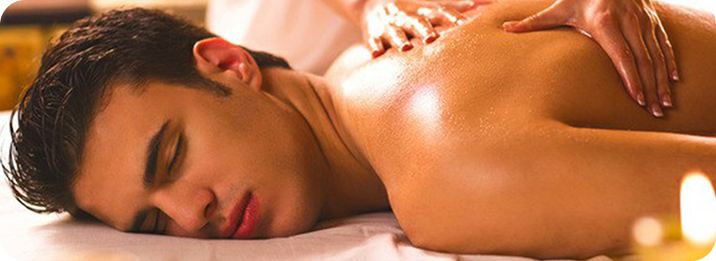
Snehana (Oleation): It involves consuming medicated ghee or oil in gradually increasing doses over 3 to 7 days. This lubricates your internal passages and flushes out stubborn, fat-soluble waste and other toxins.Then the entire body is massaged with medicinal oil.
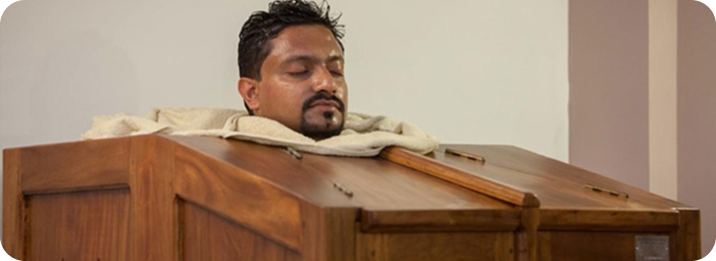
Swedana (Sudation): It uses steam therapy, in which the heat of the steam dilates the microscopic channels of your body, liquefying the released toxins so they can easily and safely exit your stomach and intestines.
Phase 2: Pradhan Karma (The 5 Cleansing Actions)
Once toxins have accumulated in the digestive tract, the doctor selects one or more of five main detoxification techniques based on your health status and body type:
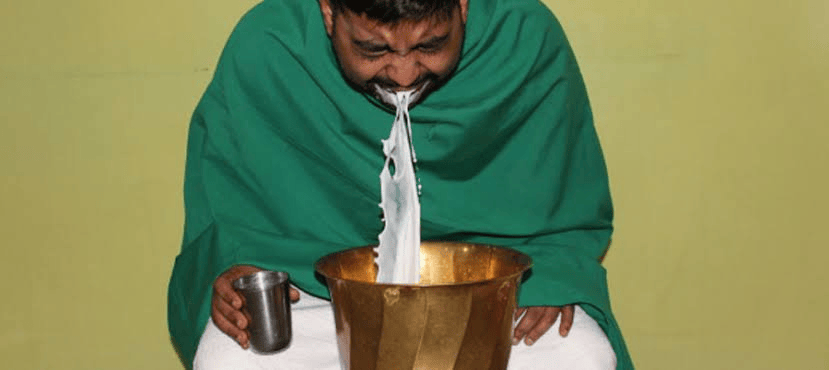
1. Vamana (Therapeutic Vomiting): Toxic substances are eliminated through controlled vomiting with special medicines. For diseases such as chronic asthma, severe respiratory diseases, allergies, PCOM, psoriasis, white spots, etc.
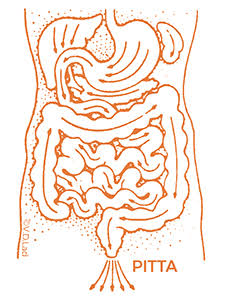
2. Virechana (Purgation): A mild, medicated laxative treatment that deeply cleanses the liver, gallbladder, and small intestine. Best for chronic skin diseases, severe acidity, piles, and liver diseases.
3. Basti (Medicated Enema): Medicinal decoction and oil enema are given to cleanse the large intestine. Best for arthritis, severe pain, neurological disorders and constipation.

4. Nasya (Nasal Drops): Medicated herbal drops are instilled through the nose to cleanse the sinuses and sinus channels. Best for chronic sinusitis, migraines, hormonal imbalances, and sleep problems.

5. Raktamokshana (Blood Detoxing): Very useful for purifying localised contaminated blood, the process of drawing blood through various methods (often using therapeutic leeches). Excellent for localised skin diseases, eczema, acne, varicose veins.

Phase 3: Paschat Karma (Diet)
After deep cleansing, your digestive fire (known as Agni) is very sensitive and delicate, much like a tiny, flickering candle flame. You cannot immediately return to heavy meals.
This phase involves a gradual, step-by-step diet transition starting with thin rice water, moving to thick rice soups, then seasoned lentils, and finally standard nutritious solid food. This ensures your newly cleansed body rebuilds its metabolism safely and with maximum strength.
Is Panchakarma Right For You?
Panchakarma is not a standard spa vacation or an off-the-shelf health trend. It is a serious, highly individualized medical protocol.
While it acts as an incredibly effective therapy for chronic metabolic, autoimmune, digestive, and joint-related disorders, it is strictly done under qualified Ayurvedic physician (holding a BAMS or MD in Ayurveda degree) who can meticulously map out a custom routine tailored precisely to your body’s unique structural needs.
So for more information, contact your nearest Ayurvedic doctor or us.
📘 Scientific References for Further Reading:
• Central Council for Research in Ayurvedic Sciences (CCRAS). Evidence Base of Ayurveda and Standard Operating Procedures for Bio-Cleansing Regimens, 2024-2026.
• Indus Valley Clinical Research Report. Panchakarma & Ayurveda for Human Longevity: Telomere Biology and Cellular Aging Biomarkers, 2025-2026.
• National Center for Biotechnology Information (NCBI) / PMC Study. Measuring the Effects of a Holistic Health Intervention & Behavioral Modification Framework in Panchakarma Programs.

Comments